




Cedar Rapids, Iowa · Injection Mold Tooling
Injection Mold Tooling
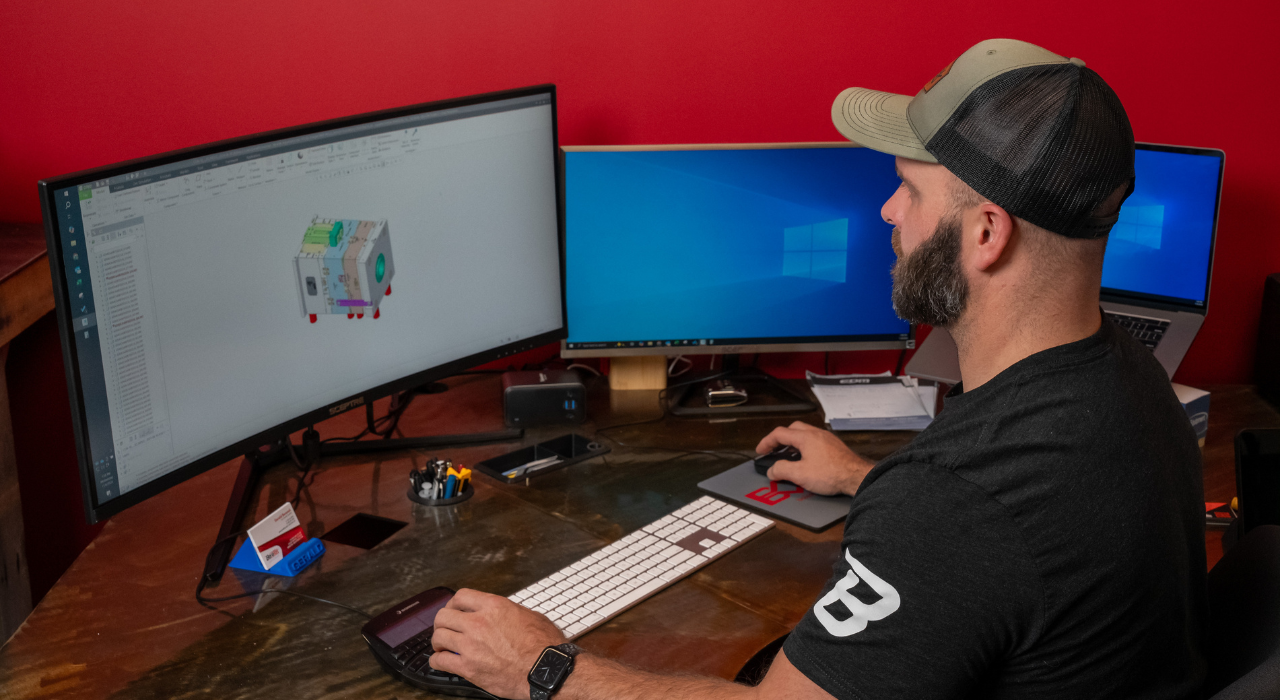
The mold decides what your part costs, how it looks, and how long it runs. BeraTek designs each tool around your part and your volume, manages the build, and proves it out on our presses before production starts.
Or call us at (844) 237-2835
48-Hour
Quotes
No MOQ
No Minimum Order Quantities
One
Point of Contact

What We Do
Injection Molding Tooling Options
Three ways to tool a part. The right one depends on your volume, your budget, and how settled the design is.

Prototype & Bridge Tooling
Aluminum tools built fast to prove a design in real molded parts. Bridge tooling keeps parts flowing for market trials and early orders while a production tool is planned.
Best for: new products and lower volumes.

Production Tooling
Steel and hardened steel molds built for high-volume runs. They’re designed for consistent parts, fast cycles, and a long service life.
Best for: proven parts at volume.

MUD Base Tooling
A cavity insert that slides into a master frame we already own. You pay for the insert, not a full mold, which cuts the up-front cost.
Best for: smaller parts and lower volumes.
Tooling Decisions
What Drives Tooling Cost and Mold Life
A few decisions drive what a mold costs and how long it lasts. We walk through each one with you before anything is cut.
01
Family molds
One mold that produces several related parts in a single shot. It’s a good fit for assemblies with parts of similar size, and it saves you from paying for a separate tool for each one.
02
Multi-cavity molds
Several copies of the same part in every cycle. More cavities cost more up front and lower the price of each part, so the right number depends on your volume.
03
Tooling material
Aluminum costs less and is quicker to build, which suits prototypes and shorter runs. Steel and hardened steel cost more and hold up to high volumes.
04
Shot life
Shot life is how many cycles a mold can run before it wears out. We match the tool to the life you need, from a few thousand parts to millions.
05
Surface finish
The finish on your part is cut into the mold. Polished, matte, and textured surfaces each affect tool cost, so it’s worth deciding early.
06
Moving an existing mold
Already have a tool at another supplier? Our transfer tooling service inspects it, qualifies it on our presses, and gets it into production, usually in 4 to 8 weeks.
Why BeraTek
Tooling Managed by the Team That Runs It
A mold is only as good as the parts it makes. The people who plan your tool are the same people who will run it.

48-hour quote turnaround. Send part files and volumes; hear back within two business days.

Design review before the tool is built. We check wall thickness, draft, and gating up front, when a change is still cheap. See our design and engineering services.

No minimum order quantities. Start with a prototype or bridge tool and a short run, then scale.

One team, one point of contact. The same team manages design, tooling, sampling, and production.

Sized to your volume. Prototype, bridge, MUD base, or production tooling, matched to what you actually need to make.
Materials
Tooling Built Around Your Resin
The resin you mold affects the tool. Shrink rates differ, and glass-filled or abrasive materials need harder steel. Tell us the material and we’ll design the tool around it.
How it Works
From Part Design to Proven Tool
1
Quote & Review
Send part files and expected volumes. We respond within 48 hours with tooling options.
2
DFM & Mold Design
CAD modeling, material selection, and mold flow analysis, so the tool is right before it’s built.
3
Tool Build
The mold is machined with CNC and EDM, then polished and assembled. One team manages the build from start to finish.
4
Sampling & Validation
Sample runs and first article inspection. We adjust the tool and the process until parts meet spec.
Proof
Tooling That Carries Into Production
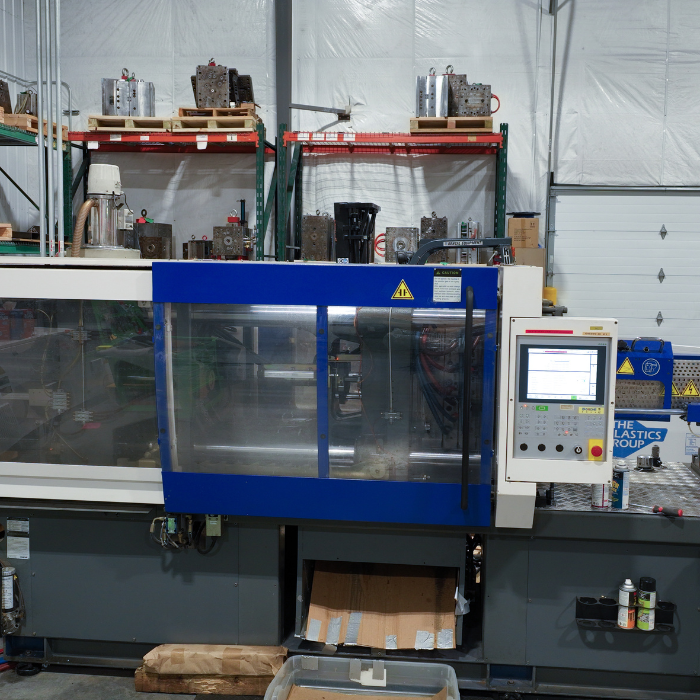
Every tool we manage is proven on our own presses before production. Mold trials, first article inspection, and process adjustments all happen with the people who will run your parts.
When a tool needs a change or a repair, you call the same team that handles your injection molding. No back and forth between a mold shop and a molder.
Manufacturing in the US was very important to us, which is what initially led us to BeraTek. From their competitive pricing to their in-house engineers walking us through the DFM process, we couldn’t have had a more positive experience working with BeraTek.
Nick Fragnito
Mark Cuban Companies
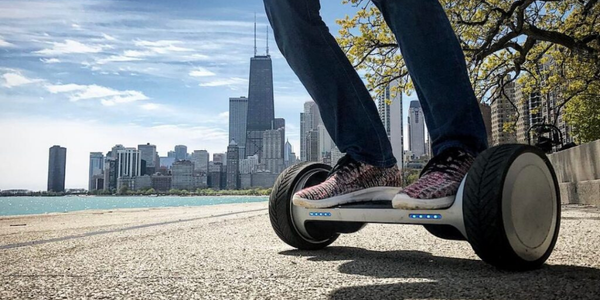
Radical Transport MOOV Hoverboard
Tooling and production for every plastic part, with UL resin audits on each run.
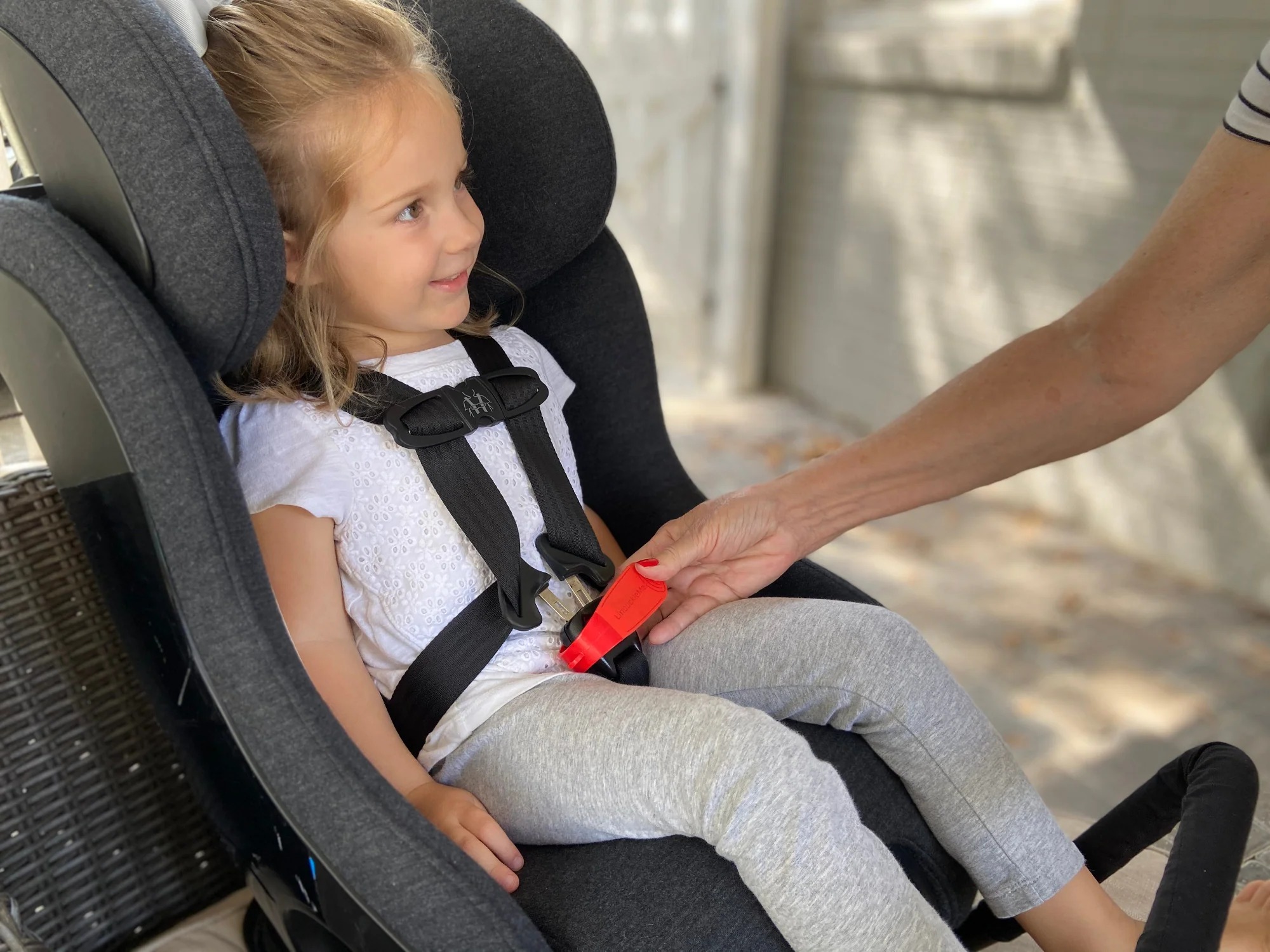
Unbuckle Me
A family mold that produces both the ABS base and the TPE overmold for a retail product.
Common Questions
Injection Mold Tooling FAQs
What is injection mold tooling?
Tooling is the mold that shapes your plastic part. It’s a precision-machined block of aluminum or steel with a cavity in the shape of the part. Molten plastic is injected into the cavity, cooled, and ejected, and the cycle repeats for every part.
What’s the difference between prototype, bridge, and production tooling?
Prototype tooling is built fast, usually in aluminum, to test a design with real molded parts. Bridge tooling covers small to medium volumes while a production tool is planned. Production tooling is built in steel or hardened steel for high volumes and a long service life.
Should my mold be aluminum or steel?
It depends on volume. Aluminum costs less and builds faster, so it suits prototypes and shorter runs. Steel and hardened steel cost more and last much longer, so they make sense for high-volume production. We’ll recommend one based on your part and how many you need.
What is MUD base tooling?
MUD stands for Master Unit Die. In place of a complete mold, you get a cavity insert that fits a standard frame we already own. You pay for the insert only, which lowers the up-front cost for smaller parts and lower volumes.
How many parts will my mold produce?
That depends on the tooling material and the resin. We plan each tool for the shot life you need, from a few thousand parts to millions, and tell you what to expect before you commit.
Can you run a mold I already own?
Yes. Our transfer tooling service inspects your existing mold, runs trials on our presses, and validates it for production. Most transfers take 4 to 8 weeks.
How fast can I get a tooling quote?
Within 48 hours. Send your part files (STEP or IGES) and expected volumes, and we’ll come back with tooling options.