






Polyethylene (PE)·The Tough, Everyday Workhorse Plastic
Polyethylene Injection Molding
Polyethylene (PE) is the most widely used plastic in the world, and there’s a good reason for that. It’s tough, it shrugs off chemicals and moisture, and it molds quickly at a low cost per part. It also comes in a range of densities, from soft, flexible LDPE to stiff, rugged HDPE, so you can match the material to how your part needs to behave.
48-Hour
Quotes
No MOQ
No Minimum Order Quantities
One
Team, Material to Production
Material grades
Common Brand Names
These are the polyethylene resins engineers spec most often, across low, linear low, and high density grades. If your print calls out a specific resin, send it along with your quote request and we’ll match it.
Marlex®
Alathon®
Hostalen
DOWLEX™
Material properties
How PE Molds and Performs
Moldability Characteristics

Ease of Processing. Flows easily and molds at relatively low temperatures with quick cycle times, which keeps the cost per part down on both short runs and big ones.

Planned-For Shrinkage. PE shrinks more than most plastics as it cools, especially HDPE. Accounting for it up front in part and mold design is what keeps finished parts flat and on dimension.

Easy to Color. Takes color well right in the resin. Painting, printing, and gluing are harder because PE’s slick surface resists bonding, so those finishes need a pretreatment step or a design that skips them.
Mechanical Properties

Toughness. Takes drops and impacts without cracking and stays tough in cold weather, when a lot of plastics turn brittle.

Chemical and Moisture Resistance. Stands up to most acids, bases, and cleaning chemicals and absorbs almost no water, which is why it’s the default for tanks, bottles, and chemical containers.

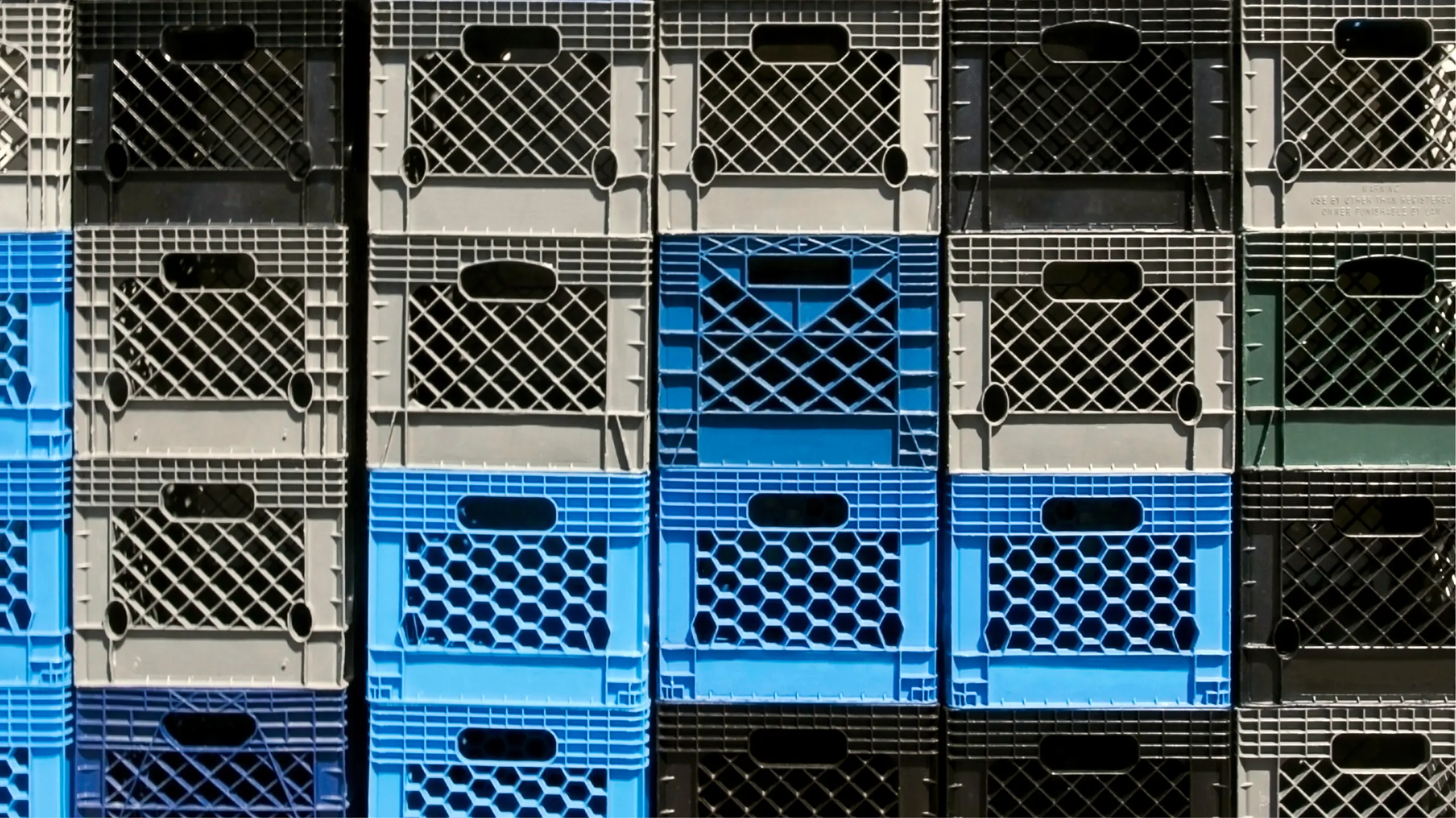
A Density for Every Job. LDPE bends for squeeze bottles and snap-on lids. HDPE stays rigid for crates, tanks, and housings. Picking the right density does a lot of the design work for you.
Where PE is used
Common PE Applications
Packaging and Closures
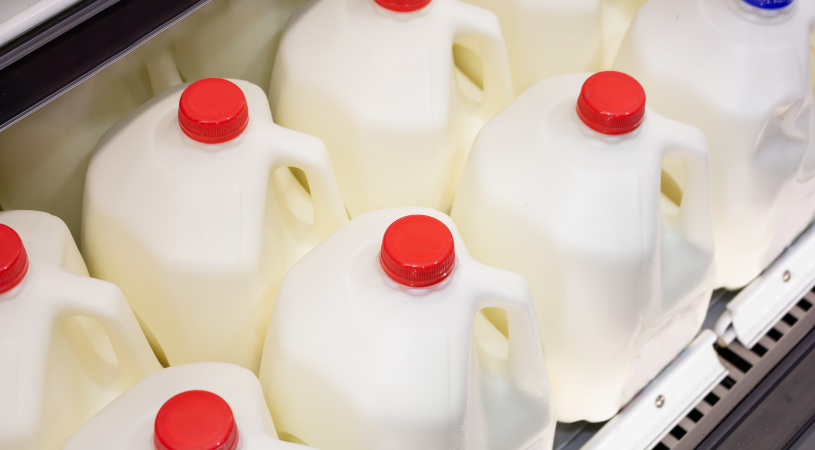
Caps, closures, lids, and rigid containers that need to seal well, take a beating in shipping, and stay safe for food contact.
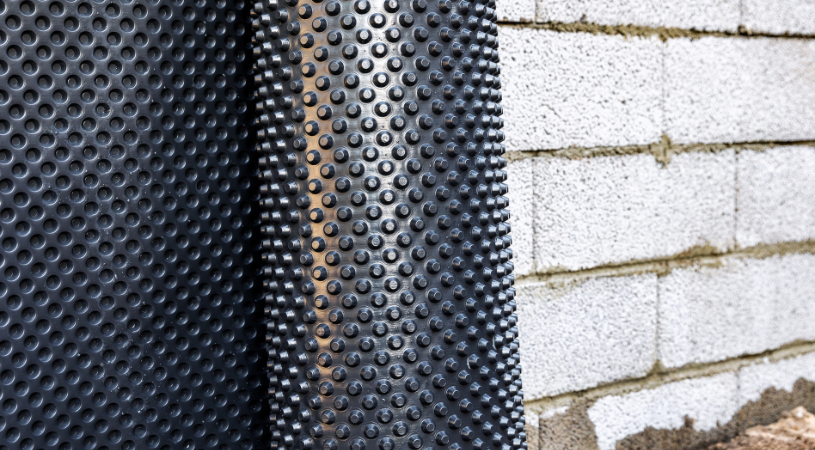
Tanks, Fittings, and Fluid Handling
Pipe fittings, tank components, and chemical containers that have to handle water and harsh chemicals for years without cracking.
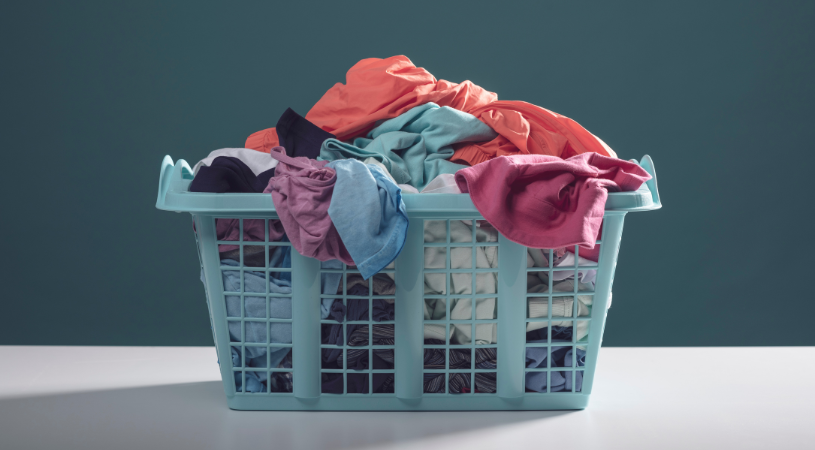
Consumer Goods
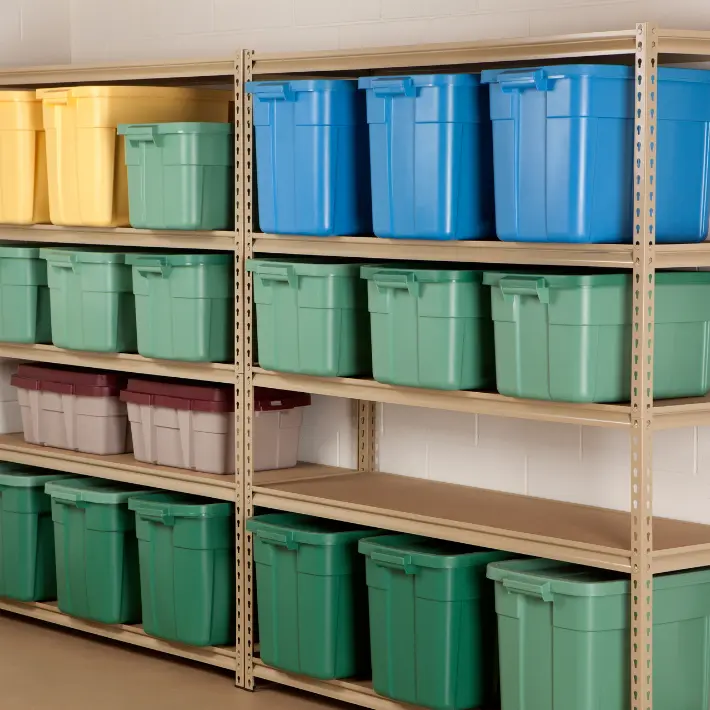
Storage bins, housewares, toys, and outdoor gear that need to be tough, easy to clean, and affordable to make in volume.
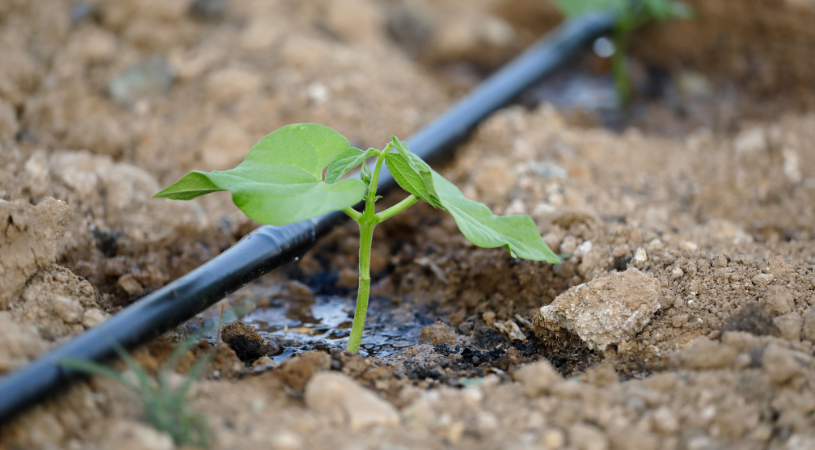
Agriculture
Irrigation fittings, drip components, feeder and waterer parts, and tank hardware that live outside in sun, rain, and fertilizer.
Why Choose Polyethylene (PE)
Choosing polyethylene means getting a tough, chemical-resistant part at one of the lowest costs in plastics.
PE is hard to beat when a part needs to survive rough handling, wet conditions, or harsh chemicals without driving up the price. Between LDPE, LLDPE, and HDPE, there’s a grade that fits most jobs, from flexible lids to rigid tanks. One heads-up: PE softens at lower temperatures than engineering plastics, so it’s not the pick for parts near engines, steam, or high heat. If yours will see that, tell us early and we’ll point you to a better fit.