










Polycarbonate (PC)·The Tough, Clear Engineering Plastic
Polycarbonate Injection Molding
Polycarbonate (PC) is the plastic you pick when a part has to be clear, tough, and comfortable around heat. It shrugs off hits that would crack glass or acrylic, keeps its shape across a wide temperature range, and molds into detailed parts that hold tight tolerances. That’s why it shows up in headlamp lenses, medical housings, electronic enclosures, and safety gear.
48-Hour
Quotes
No MOQ
No Minimum Order Quantities
One
Team, Material to Production
Material grades
Common Brand Names
These are the polycarbonate resins engineers spec most often. If your print calls out a specific grade, send it along with your quote request and we’ll match it.
Lexan™
Makrolon®
Calibre™
Panlite®
Material properties
How PC Molds and Performs
Moldability Characteristics

Optical Clarity. Molds into glass-clear parts that let through close to 90% of visible light. It also takes color well, so the same base resin can run clear, tinted, or fully opaque.

Low, Predictable Shrinkage. Shrinks a modest and very consistent amount as it cools, so parts hold tight tolerances and stay the same from one run to the next.

Careful Drying, Clean Parts. PC pulls moisture from the air, so the resin has to be dried properly before molding. Done right, you get clear, strong parts without splay or brittleness.
Mechanical Properties

Impact Strength. Offers excellent resistance to stress and cracking, maintaining its integrity under demanding conditions.

Heat Resistance. Holds its shape at temperatures up to around 130°C (266°F), depending on grade. Flame-rated grades are available for electrical housings.

Dimensional Stability. Stays stiff and keeps its size under load and through temperature swings, so mating parts keep fitting the way they were designed to.
Fire resistance
Flame-Retardant Polycarbonate
If your part houses electronics, carries current, or goes into a building, someone is going to ask for its flame rating. PC is one of the best starting points for that. Here’s how the UL 94 scale works and where polycarbonate lands on it.
HB
Horizontal bar burns slowly. The lowest rating, fine for parts with no flame requirement.
V-2
Vertical burn stops within 30 seconds. Flaming drips are allowed.
Typical standard PC
V-1
Stops within 30 seconds with no flaming drips.
V-0
Stops within 10 seconds with no flaming drips. The usual ask for electrical enclosures.
FR grades
5VB
Survives a larger 5-inch flame, five times. Burn-through on a flat plaque is allowed.
5VA
Same 5-inch flame test with no burn-through. Required for many larger equipment housings.
FR grades, thicker walls
Less flame resistant
More flame resistant
What to know before you spec it
A flame rating belongs to a specific resin grade, at a specific thickness, in a specific color. Change any one of those and the rating can go with it.
Wall thickness sets the rating. UL lists every rating at a tested thickness. A grade that’s V-0 at 1.5 mm may only be V-2 at 0.8 mm, so we check your thinnest walls against the listing during DFM, not after first articles.
Color counts too. Pigments and colorants can shift how a grade burns. Using the resin maker’s listed colors, or a UL-recognized color concentrate, keeps you inside the rating.
Regrind has limits. Some listings cap how much regrind can go back into a flame-rated part. We follow the listing, and on rated programs we often run virgin material only.
Halogen-free and blended options. Many current FR grades are non-brominated, which helps with RoHS and customer sustainability requirements. PC/ABS blends are another common pick when you need V-0 with easier molding and lower cost.
How we protect the rating
The resin is rated. We make sure your part stays that way.
The certificate belongs to the resin, but how it’s molded decides whether the finished part still lives up to it. That’s on us.
- UL-listed resin, bought through traceable channels, with lot numbers tied to every run
- Support for UL resin audits and the documentation your certifier asks for
- Proper drying and controlled melt temperatures, since overheated PC can lose its flame performance
- Wall thickness and color reviewed against the UL listing before the tool is cut
Where PC is used
Common PC Applications
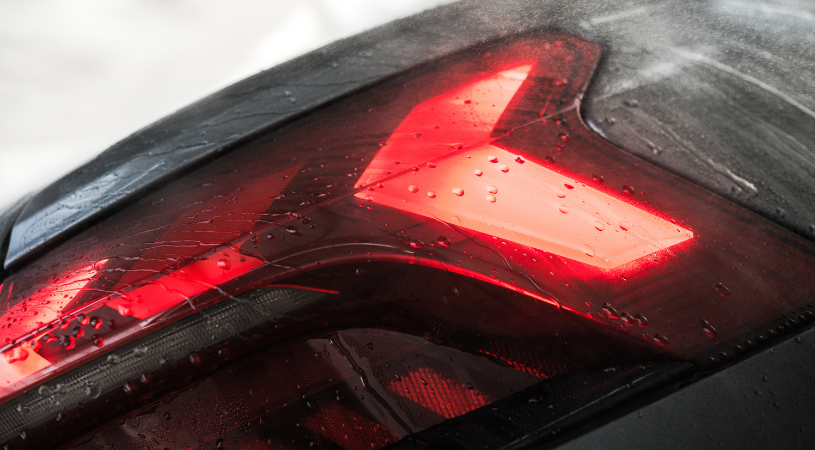
Automotive Lighting
Headlamp lenses, signal lights, and interior light covers that have to stay clear, take hits from road debris, and handle heat from the bulb.
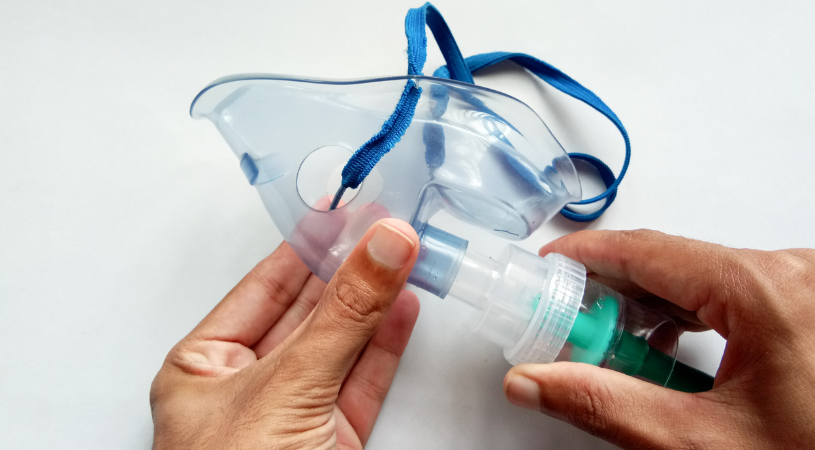
Medical Devices
Clear housings, connectors, and device components where you need to see inside the part and it has to hold up to sterilization.
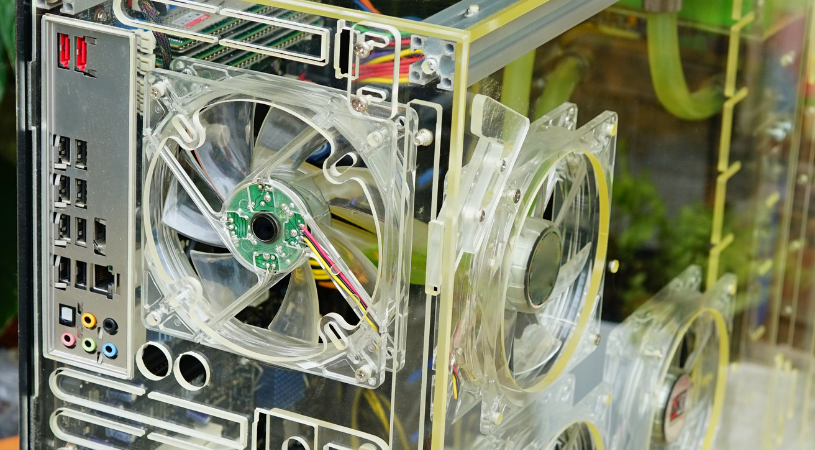
Electronic Enclosures
Housings, covers, and light pipes for electrical and electronic products, with flame-rated grades when the part sits close to power.
Safety Equipment
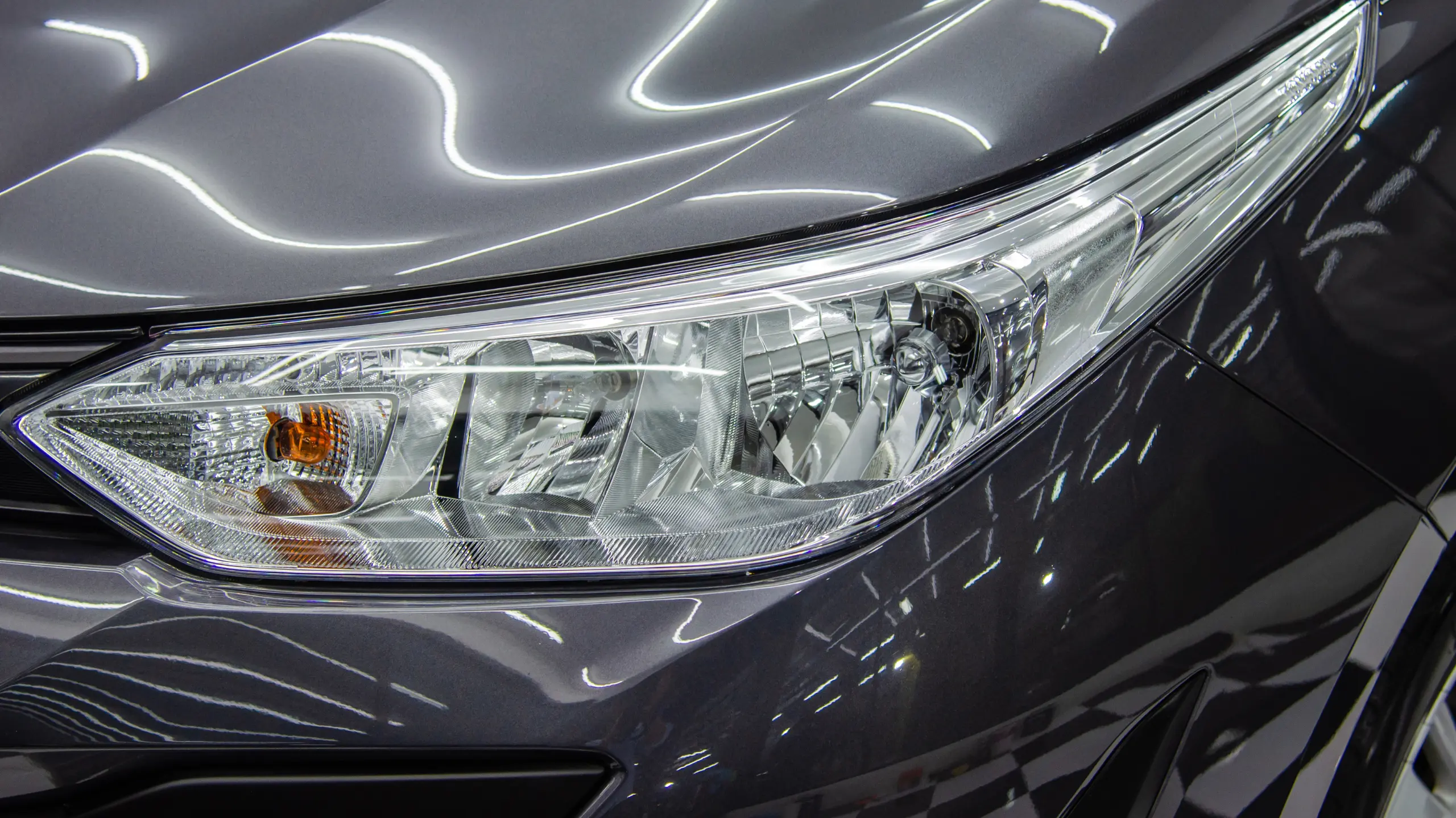
Machine guards, face shields, and protective covers that need to stop debris without blocking the view.
Why Choose Polycarbonate (PC)
Choosing polycarbonate means getting clarity, toughness, and heat resistance in one material.
Very few plastics can be see-through and nearly unbreakable at the same time. PC can, and it holds tight tolerances while it’s at it. Whether you’re building a lens, a housing, or a guard, it lets you design for good looks and rough handling in the same part. One heads-up: PC doesn’t love solvents, fuels, or some harsh cleaners. If your part will see those, tell us early and we’ll help you weigh a PC blend or a different resin.