










Thermoplastic Polyurethane (TPU)·Flexibility That Holds Up
TPU Injection Molding
Thermoplastic polyurethane (TPU) sits right between rubber and plastic. It bends, stretches, and springs back like rubber, but it molds like a plastic and outlasts most rubbers in parts that rub, flex, or take a beating. Grades run from soft and grippy to firm and tough, which makes it a go-to for seals, grips, bumpers, and wear parts.
48-Hour
Quotes
No MOQ
No Minimum Order Quantities
One
Team, Material to Production
Material grades
Common Brand Names
These are the TPU resins engineers spec most often, across a wide range of hardness levels. If your print calls out a specific grade, send it along with your quote request and we’ll match it.
Elastollan®
Estane®
Desmopan®
Pearlthane™
Material properties
How TPU Molds and Performs
Moldability Characteristics

Made for Overmolding. Bonds well to rigid plastics like PC and ABS, so a soft grip, seal, or bumper can be molded right onto a hard part without glue or extra assembly steps.

Design Freedom. Fills thin walls and fine detail, and softer grades flex enough to pop off undercuts that would lock a rigid part in the mold.

Careful Drying, Strong Parts. TPU soaks up moisture from the air, so the resin has to be dried properly before molding. Done right, you get parts with full strength and a clean surface.
Mechanical Properties

Wide Hardness Range. Grades run from soft and rubbery to firm enough to stand in for a rigid plastic, so you can dial in exactly how the part should feel and flex.

Abrasion Resistance. Outwears rubber and most plastics in parts that rub, roll, or scrape, which is why it shows up in wheels, rollers, and wear strips.

Oil and Grease Resistance. Holds up to oils, greases, and many chemicals without swelling or breaking down, and stays flexible in the cold.
Where TPU is used
Common TPU Applications
Automotive Components
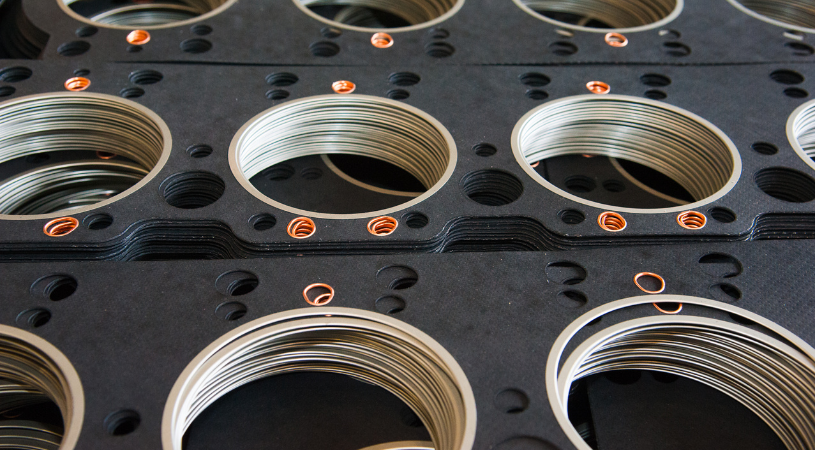
Seals, gaskets, boots, grommets, and knobs that need to flex, grip, and shrug off oil and road grime.
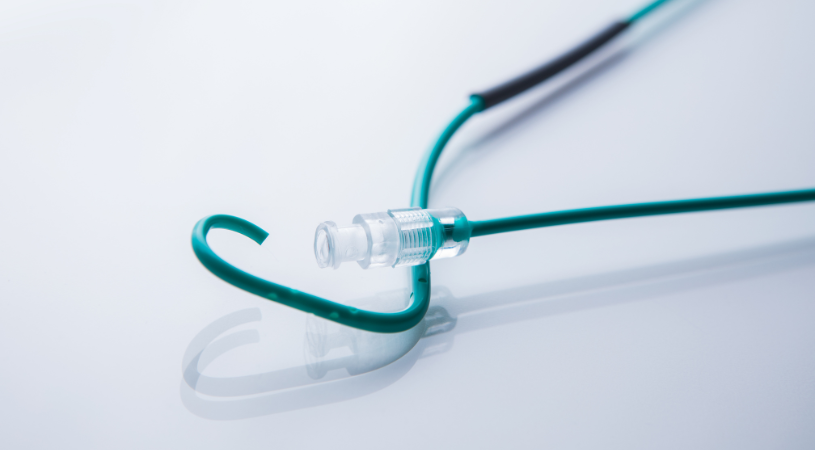
Medical Devices
Soft-touch housings, connectors, valve parts, and grips where medical grades need to stay flexible and hold up to regular cleaning.

Consumer and Sporting Goods
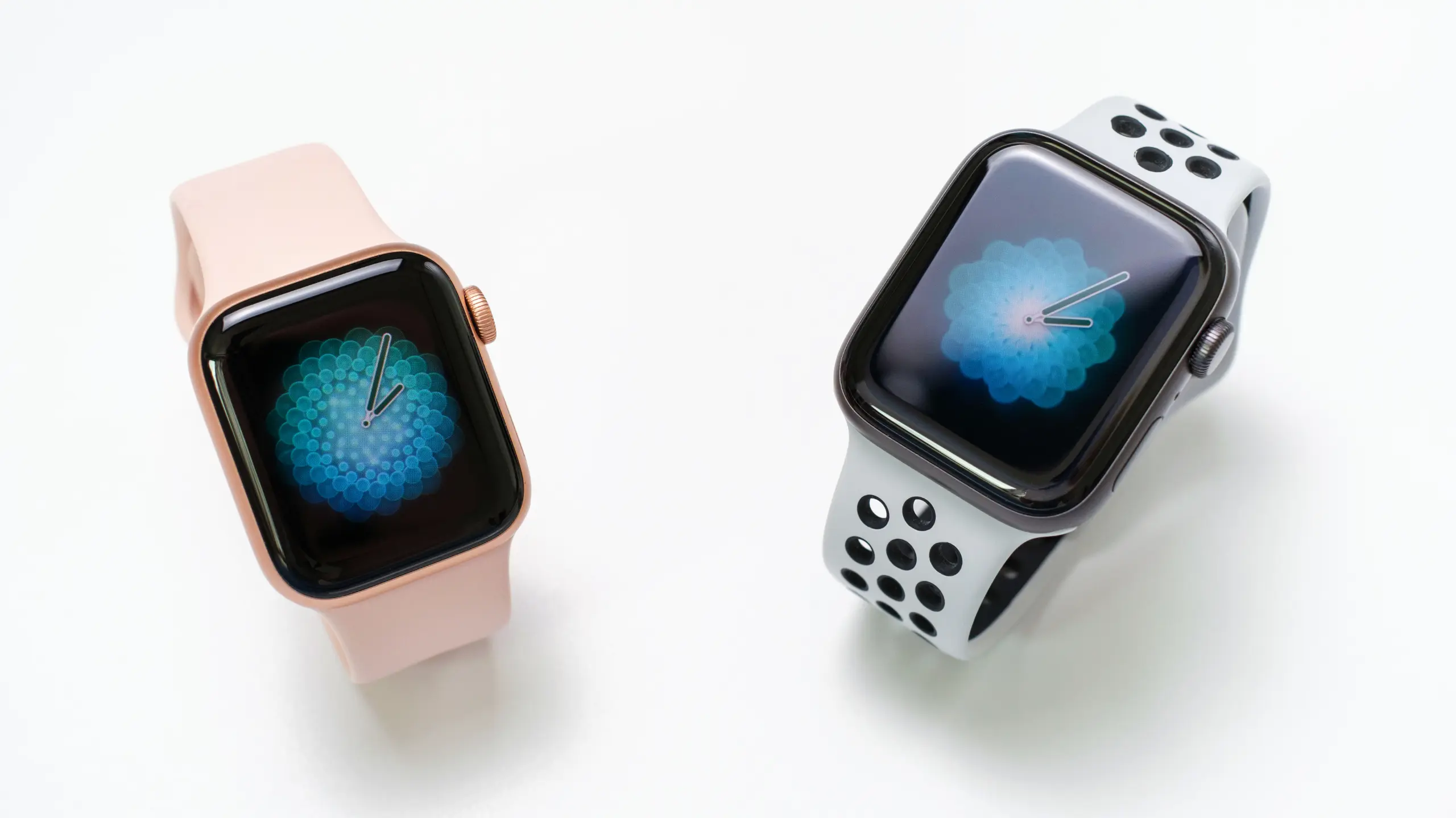
Shoe components, phone cases, watch bands, and tool grips that need to feel good in the hand and survive daily abuse.
Industrial Wear Parts
Rollers, wheels, bumpers, scraper blades, and drive components that take friction and impact all day long.
Why Choose ThERMOPLASTIC POLYURETHANE (TPU)
Choosing TPU means getting the feel of rubber with the toughness to outlast it.
When a part has to flex, seal, or grip and still hold up to wear, oil, and rough handling, TPU is hard to beat. It molds like a plastic, bonds onto rigid parts, and comes in a hardness for almost any feel you’re after. One heads-up: TPU costs more than most other flexible materials. If your part just needs a soft touch and won’t see much wear or oil, a standard TPE may get the job done for less, and we’ll tell you if that’s the case.