



Cedar Rapids, Iowa · Prototyping Services
Rapid Prototyping Services
Hold your part before you pay for a production mold. BeraTek builds prototypes four ways, from a quick 3D print to a short run of molded parts in your production resin. The team that builds your prototype is the same team that will mold the real thing.
Or call us at (844) 237-2835
48-Hour
Quotes
No MOQ
No Minimum Order Quantities
One
Point of Contact
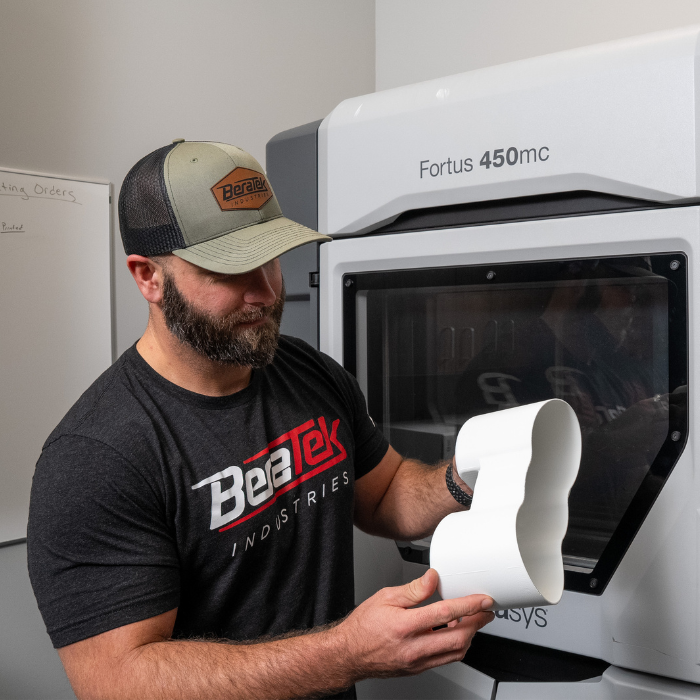
What We Do
Prototyping Methods
Four ways to build a prototype. The right one depends on what you need to learn from it.
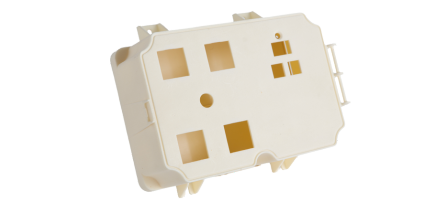
3D Printing
SLA and FDM printers running in our Cedar Rapids shop. It’s the fastest and lowest-cost way to check a design, with engineering materials like nylon, polycarbonate, and ULTEM for parts that have to work.
Best for: early design checks and fit testing.
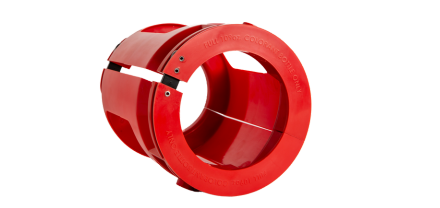
CNC Machining
Prototypes cut from solid plastic or metal. You get tight tolerances and real material strength for parts that will be loaded, threaded, or bolted into an assembly.
Best for: functional and mechanical testing.
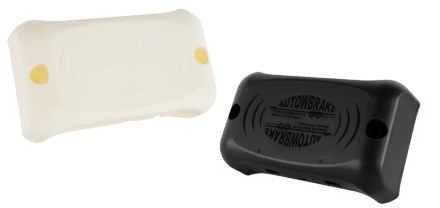
Urethane Casting
Cast parts from a soft mold that look and feel like molded plastic. One mold typically yields 10 to 25 good parts, enough for samples and early customers.
Best for: small batches of show-quality parts.
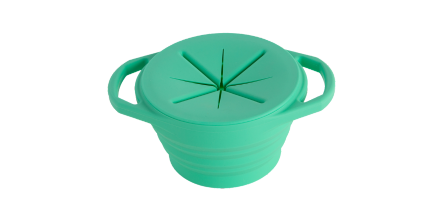
Prototype Injection Molding
Real molded parts in your production resin, run from an aluminum or soft steel prototype mold. It’s as close as you can get to production before production.
Best for: testing the real material and process.
Choosing a Method
Which Prototype Do You Need?
Most projects use more than one. A printed part proves the design, then molded parts prove the product. Start with the question you need answered.
01
Does it look and fit right?
Start with a 3D print. It’s the quickest way to check size, shape, and how parts go together, and a design change costs almost nothing at this stage.
02
Will it hold up in use?
A machined prototype, or a print in an engineering material, gives you a part you can load, drop, and bolt down. Test strength before you commit to the design.
03
Can I show it to customers?
Urethane casting gives you a small batch of parts with a molded look and feel. That’s enough for samples, trade shows, and product photos.
04
How will the real material behave?
Only a molded part answers this. Prototype injection molding uses your production resin, so shrink, flex, snap fits, and surface finish show up the way they will in production.
05
Can it be molded at all?
Every prototype we build gets a design for manufacturability review. We check wall thickness, draft, and undercuts so the design you test is one that will mold cleanly.
06
What if I need parts before production?
A prototype mold can also run your first orders. Short runs with no minimum order quantities keep you selling while production tooling is planned.
Why BeraTek
Prototypes Built by the Team That Molds Your Parts
BeraTek started in 2012 with an engineer and a 3D printer. Prototyping is still where most of our projects begin.

48-hour quote turnaround. Send part files and specs; hear back within two business days.

Design feedback included. We review every prototype for moldability, so you fix problems while they’re still cheap to fix.

No minimum order quantities. One part or a few hundred. Order what the test calls for.

One team, one point of contact. The people who build your prototype manage your project through production.

A straight path to production. What we learn from the prototype goes directly into the mold design, so nothing gets lost in a handoff.
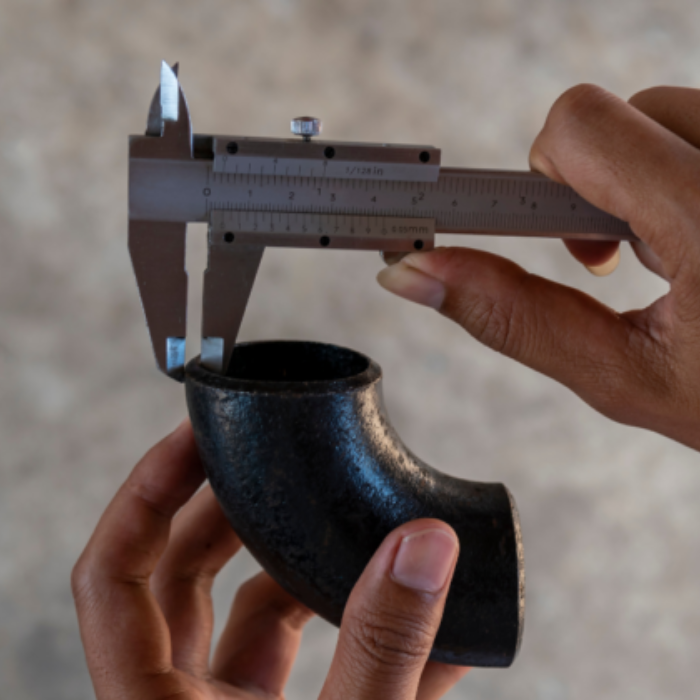
Materials
Prototype in Production Materials
Many of the resins we mold in production are available for prototypes, so you can test with the material you plan to ship. We’ll help you match the resin to the job.
How it Works
From CAD File to Tested Part
1
Send Your Files
Send CAD files or drawings and tell us what you need to test. We respond within 48 hours.
2
Design Review
Our engineers review the design and recommend the method and material that fit your goal and budget.
3
Build
We print, machine, cast, or mold your parts and check them against your specs.
4
Test & Refine
You test the parts. We adjust the design together and repeat until it’s ready for production tooling.
Proof
From Prototype to Production
A prototype is only useful if what you learn from it makes it into the final part. Because one team handles design review, prototyping, and production molding, the fixes you find at the prototype stage carry straight into the mold design.
Prototype molds go through the same mold trials and first article inspection as production tools, so you know the part meets spec before you scale up to full injection molding.
Simply put, I approached BeraTek with a dream, and they made it a reality.
Jeremy Huisman
4MORE
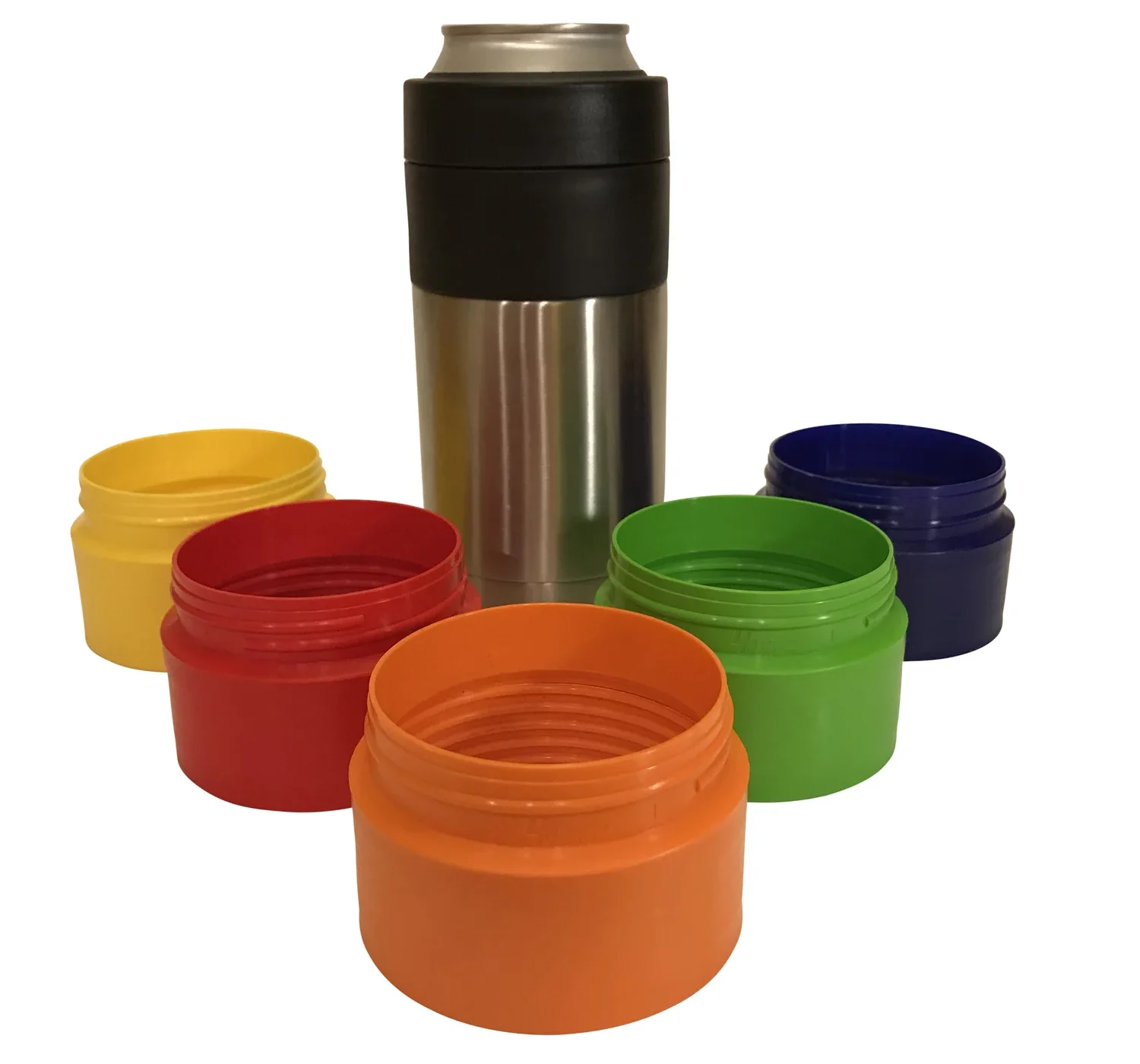
4MORE
Started as a 3D printed product selling on Amazon. We made minor design changes for molding and moved it to injection molding to keep up with demand.
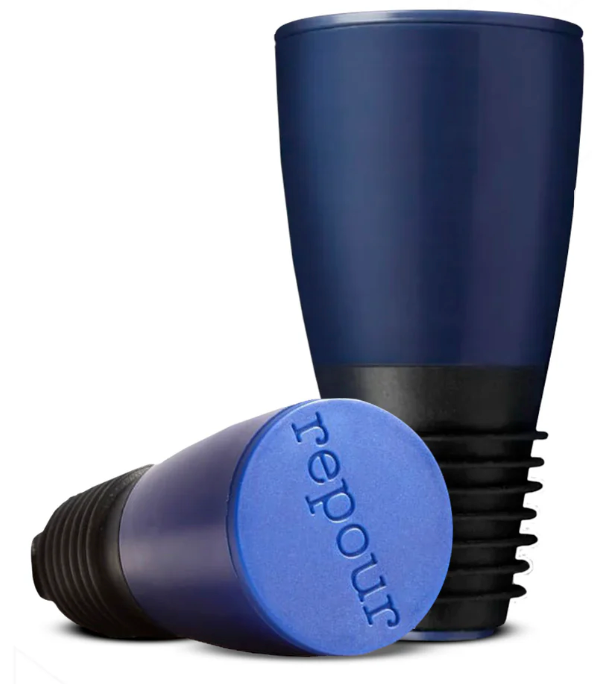
Repour
From a sketch to a market-leading wine stopper. Prototype molding let the team test real parts before investing in production tooling.
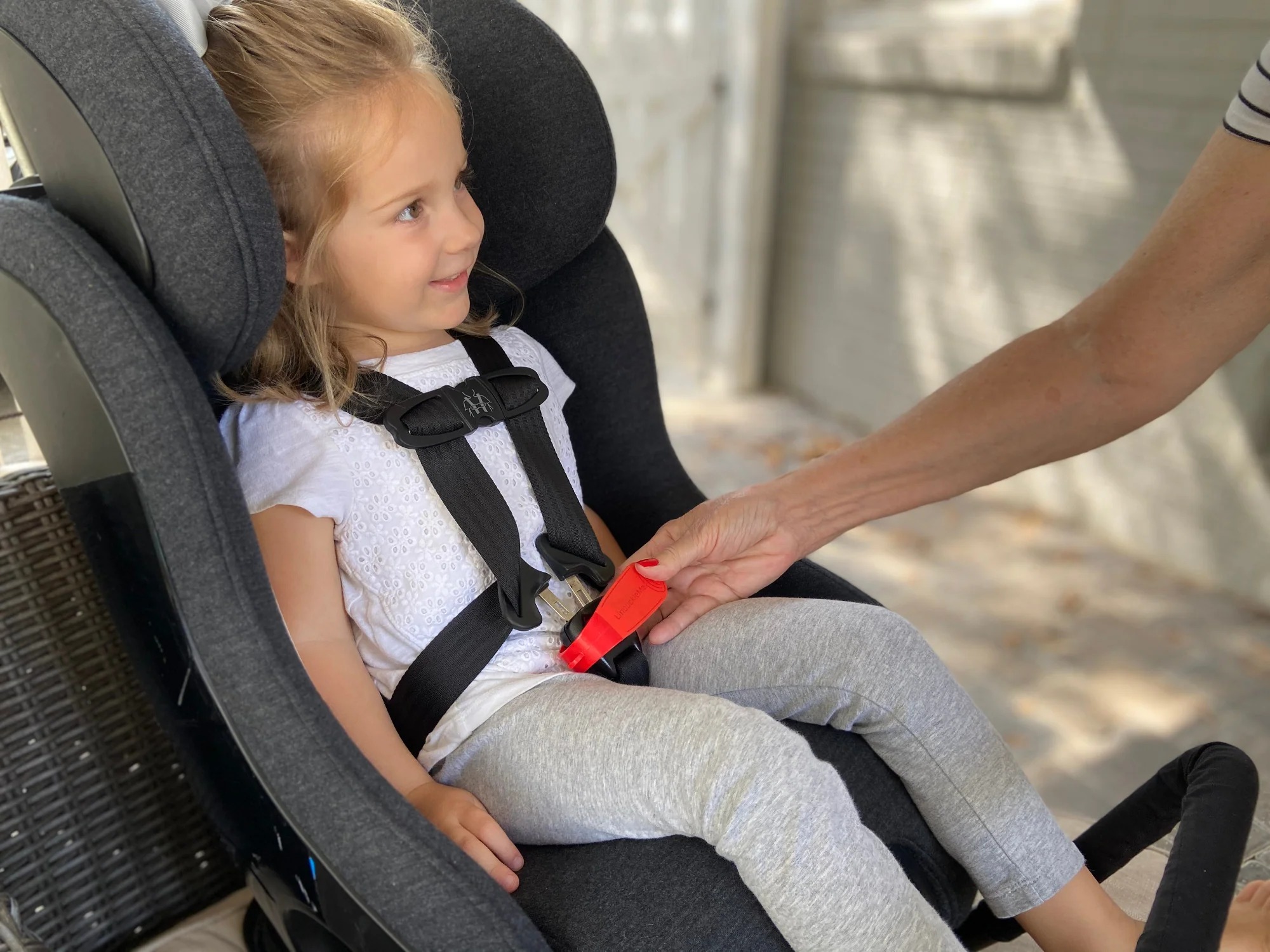
Unbuckle Me
Industrial design and engineering for a Kickstarter product, then an ABS part with a TPE overmold built for retail.
Common Questions
Rapid Prototyping FAQs
What is rapid prototyping?
Rapid prototyping is a group of methods for making a physical part quickly from a CAD file, without building production tooling first. At BeraTek that means 3D printing, CNC machining, urethane casting, and prototype injection molding.
How fast can I get a prototype?
It depends on the method. 3D printed parts are often ready in a few days. A prototype mold typically takes 1 to 4 weeks. You’ll get a lead time with your quote, and quotes come back within 48 hours.
How much does a prototype cost?
Cost depends on the method, the size and complexity of the part, the material, and how many you need. A 3D print is the lowest-cost option. A prototype mold costs more up front, but it gives you real molded parts and can often run your first orders. Send your files and we’ll quote it within 48 hours.
Which prototyping method should I use?
Start with what you need to learn. Use 3D printing to check form and fit, CNC machining to test strength, urethane casting for a small batch of show-quality parts, and prototype injection molding to test the real production material. Our engineers will recommend a method when they review your design.
Can you prototype in the same material as my production part?
Yes. Prototype injection molding uses production resins, including ABS, nylon, polycarbonate, polyethylene, acetal, polypropylene, TPE, and TPU. That lets you test the real material before production tooling is built.
Do you have a minimum order for prototypes?
No. We don’t have minimum order quantities. Order one part or a few hundred, whatever the test calls for.
What files do you need for a quote?
A 3D CAD file (STEP or IGES) is best, and a drawing with critical dimensions helps. If all you have is a sketch or an existing part, send that. Our design team can work from there.
Can you take my prototype into production?
Yes. One team manages design review, prototyping, tooling, and production molding, so there’s no handoff between suppliers when you’re ready to scale.