









Project Overview
RSS Medical Distributors set out to address a longstanding safety concern in operating rooms: the transfer of sharp surgical instruments between nurses and surgeons. Their solution, the Scalpel Caddy, was designed to give surgeons direct access to surgical tools while reducing the risk of accidental injuries and bloodborne pathogen exposure.
To bring this innovative medical device to market, RSS partnered with BeraTek for product development, tooling, and manufacturing support. Together, the teams developed a solution that improved both safety and efficiency in surgical environments.
The Challenge
For decades, the transfer of scalpels and other sharp instruments between operating room staff has presented safety risks. RSS Medical Distributors envisioned a product that would allow surgeons to independently select the tools they need while maintaining organization and visibility throughout a procedure.
Key challenges included:
- Designing a product suitable for use in sterile medical environments
- Creating a clear, organized storage system for surgical instruments
- Ensuring the product could be manufactured efficiently and consistently
- Developing tooling that would support long-term production needs
- Balancing functionality, durability, and ease of use
The goal was to create a medical device that enhanced safety without disrupting existing surgical workflows.
Our Approach
– Product Development Collaboration
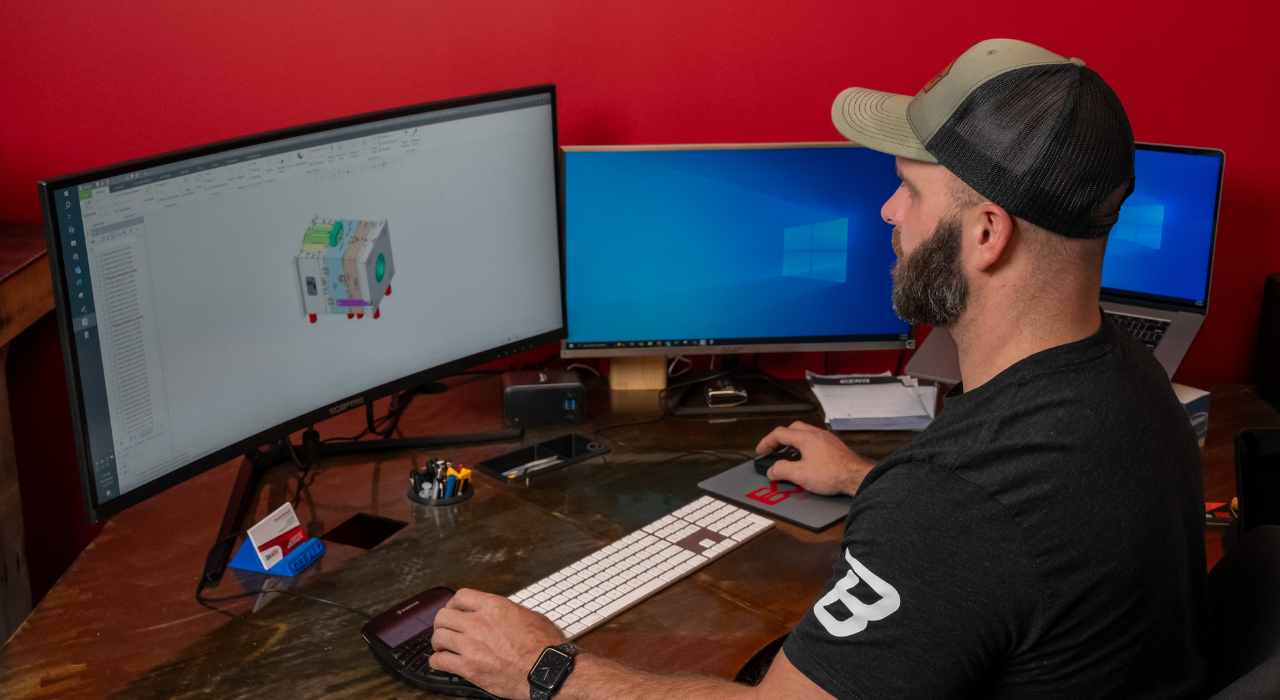
BeraTek worked closely with RSS Medical Distributors throughout the development process to refine the design and prepare it for manufacturing.
The development process focused on:
- Optimizing the product for real-world operating room use
- Evaluating component design for manufacturability
- Improving efficiency and long-term production viability
- Ensuring the final design met the product’s safety objectives
By involving engineering and manufacturing expertise early in development, potential challenges were addressed before production began.
– Tooling & Manufacturing
Once the design was finalized, BeraTek developed the injection mold tooling required to manufacture the Scalpel Caddy.
This phase included:
- Injection mold design and development
- Manufacturing process optimization
- Quality-focused production planning
- Efficiency improvements to maximize tool performance and longevity
The result was a manufacturing solution capable of producing consistent, high-quality components while supporting future growth.
– Supporting Product Evolution
Following the success of the original Scalpel Caddy, the concept expanded into the Scalpel Caddy Plus, a version designed to store not only scalpels but a broader range of commonly used surgical sharps.
The scalable tooling and manufacturing strategy helped support the continued evolution of the product line as customer needs expanded.
The Results
The Scalpel Caddy introduced a safer, more efficient way for surgeons to access critical instruments during procedures.
Key outcomes included:
- Reduced reliance on hand-to-hand instrument transfers
- Improved visibility and organization of surgical tools
- Enhanced operating room safety
- A manufacturing process designed for long-term production efficiency
Today, the Scalpel Caddy and Scalpel Caddy Plus help healthcare professionals improve workflow while reducing the risk of accidental sharps injuries.
Client Feedback
“BeraTek was incredibly helpful when we decided to build new injection molds for our products. They not only built quality machines for us, but they guided us in the right direction along the way and helped to ensure that our tools would be as efficient as possible, which brought a tremendous amount of value to the overall product development process.”
— Quedon Ball, RSS Medical Distributors
Why This Project Matters
The RSS Medical Distributors project demonstrates how thoughtful product design and efficient manufacturing can help solve real-world healthcare challenges. By combining innovative thinking with robust tooling and production expertise, BeraTek helped bring a product to market that improves safety for medical professionals and patients alike.
This case highlights the value of engineering-driven product development in industries where reliability, consistency, and user safety are critical to success.