









Considerations When Designing a Part for Injection Molding
Injection Molding Design Guidelines: How to Design Parts That Reduce Cost, Risk, and Production Issues
Designing a product for plastic injection molding is not just an engineering exercise. It is a cost decision, a timeline decision, and often the difference between a smooth product launch and months of unexpected setbacks.
Many product teams assume that if a design works in CAD, it will work in production. In reality, injection molding has very specific constraints. If those constraints are not considered early, companies often run into expensive tooling revisions, quality issues, or delays that could have been avoided.
To help product developers avoid those problems, we spoke with BeraTek’s manufacturing and engineering team about what actually matters when designing parts for injection molding. The following considerations consistently make the biggest difference in production success, cost control, and long-term part performance.
Download this article as an infographic!
Consideration 1: Designing for Injection Molding Starts With the Right Material
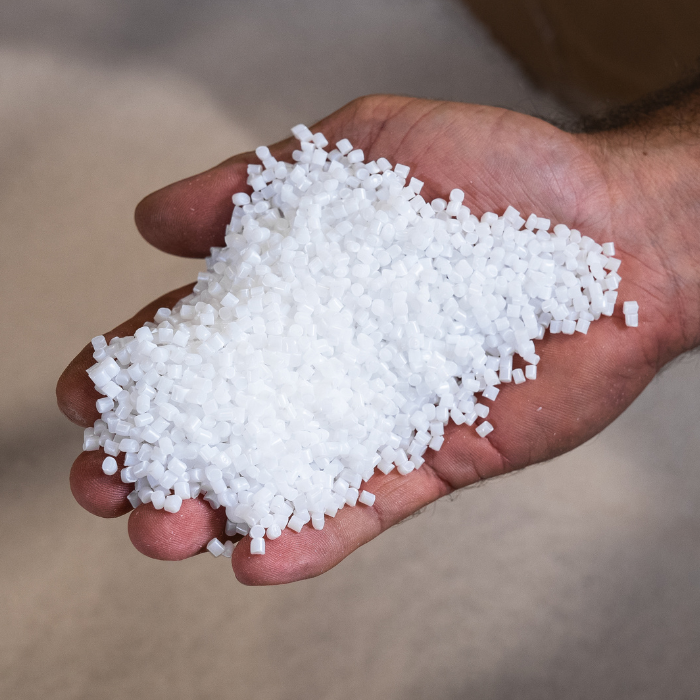
Material selection is one of the first major decisions in molded part design, and it influences far more than just performance. The resin you choose affects shrink rates, mold design, cycle time, durability, cosmetic finish, and long-term production stability.
It can be tempting to select a material based only on strength or flexibility, but that approach often creates issues later. A resin that meets performance targets but is expensive, inconsistent in supply, or difficult to mold can create production headaches for years.
Instead, material selection should balance real-world manufacturing considerations with product requirements. That means thinking about environmental exposure, expected lifespan, regulatory needs, and availability just as much as mechanical properties. The goal is not simply to find a material that works, but one that works reliably at scale.
Consideration 2: Wall Thickness Plays a Bigger Role Than Most Teams Expect
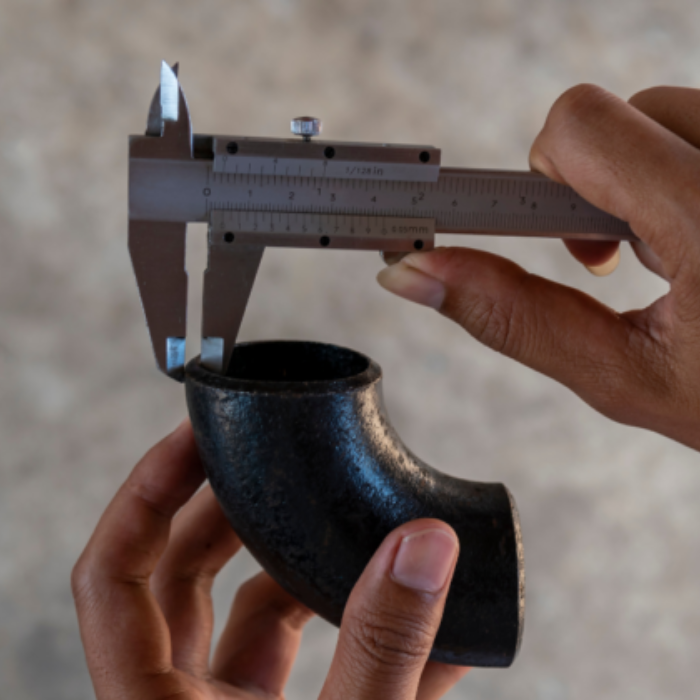
Wall thickness is one of the most common sources of molding defects, and it is often underestimated early in development.
When a part has inconsistent wall thickness, it cools unevenly inside the mold. That uneven cooling leads to internal stress, distortion, and visible surface defects. Warping, sink marks, and dimensional inconsistencies frequently trace back to wall design decisions made early in CAD.
Maintaining consistent wall thickness wherever possible helps ensure predictable shrinkage and stable geometry. It also improves cycle time, since uniform walls cool more evenly and allow parts to be ejected sooner.
Draft angles also intersect with wall thickness decisions. Walls that are technically correct in dimension can still create production issues if they do not release cleanly from the mold. Designing thickness and draft together helps avoid problems with sticking, scuffing, or slow ejection.
When wall thickness is handled correctly, the part not only looks better but produces more consistently and efficiently.
Consideration 3: Reinforcing Ribs Allow Strength Without Excess Material
Many molded parts need to be strong but also lightweight and cost-efficient. This is where reinforcing ribs become essential.
Ribs allow designers to increase stiffness and load resistance without thickening the entire part. This reduces material use, keeps cooling times lower, and often improves overall performance. However, rib design is not simply about adding structure wherever space allows.
If ribs are too thick or poorly positioned, they can create cosmetic issues on surrounding surfaces. Sink marks often appear where ribs meet external walls, especially when thickness ratios are not carefully controlled. Improper draft on ribs can also cause parts to drag or stick during ejection.
Well-designed ribs are subtle but powerful. They strengthen the product while preserving visual quality and keeping manufacturing efficient. Poorly designed ribs do the opposite.
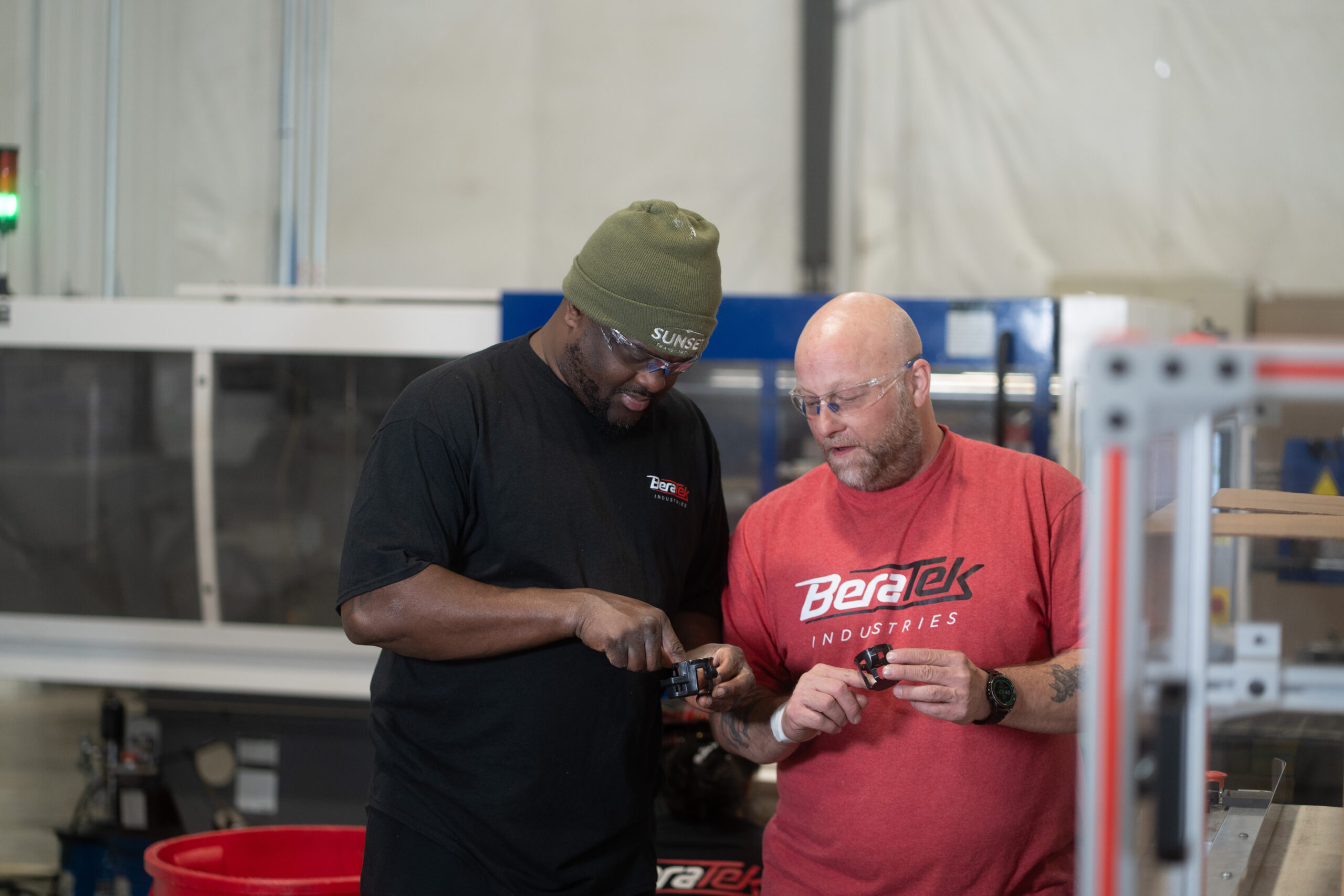
Consideration 4: Undercuts Are Often Small Features With Big Cost Implications
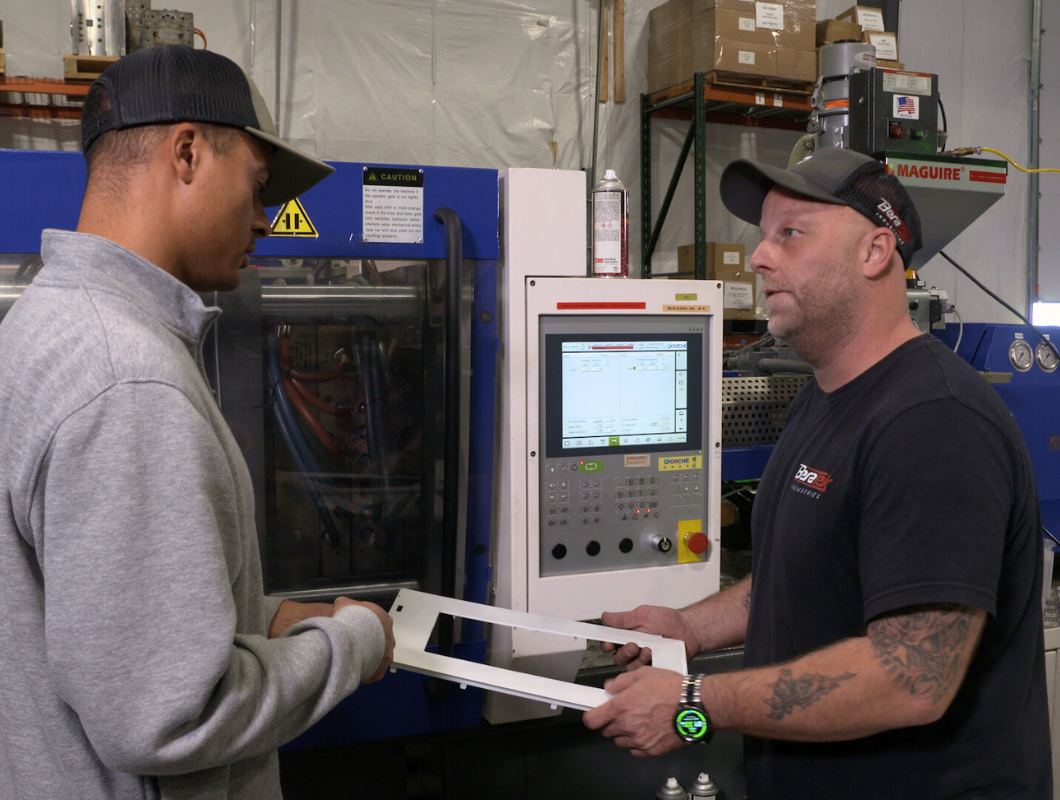
Undercuts are one of the most overlooked cost drivers in injection molding.
These features prevent a part from being released straight out of the mold and require additional tooling mechanisms to allow proper ejection. Slides, lifters, or collapsible cores may be needed to form these features, each adding complexity and cost to the mold.
Sometimes undercuts are necessary to achieve a functional requirement, but in many cases they are simply the result of early design decisions that were never revisited. Even small geometry adjustments can often eliminate the need for these features entirely.
Because tooling complexity directly affects build time, maintenance, and production reliability, reviewing undercuts early in the design phase can significantly reduce both upfront investment and long-term manufacturing risk.
Consideration 5: Surface Finish Decisions Affect More Than Appearance
Surface finish is often treated as a cosmetic detail, but in injection molding it has a direct relationship to tooling cost and production outcomes.
Different finishes require different mold preparation processes. High-gloss finishes demand extremely smooth tooling surfaces, which require more time and precision to achieve. Textured finishes require specialized treatments that also influence mold construction and maintenance.
Finish decisions should be tied to both functional and branding goals. A grip texture may be necessary for usability. A polished surface may be essential for perceived product quality. But defining those needs early ensures the tooling is built correctly from the beginning, rather than requiring refinements later.
Like many aspects of molded part design, surface finish is best treated as a technical decision, not just an aesthetic one.

“The most successful injection molded parts aren’t just designed for function — they’re designed for manufacturability from the start. When engineering and production work together early, it saves time, cost, and frustration down the line.”
— BeraTek Industries Engineering Team
Consideration 6: A Clear Specification Document Prevents Most Downstream Problems
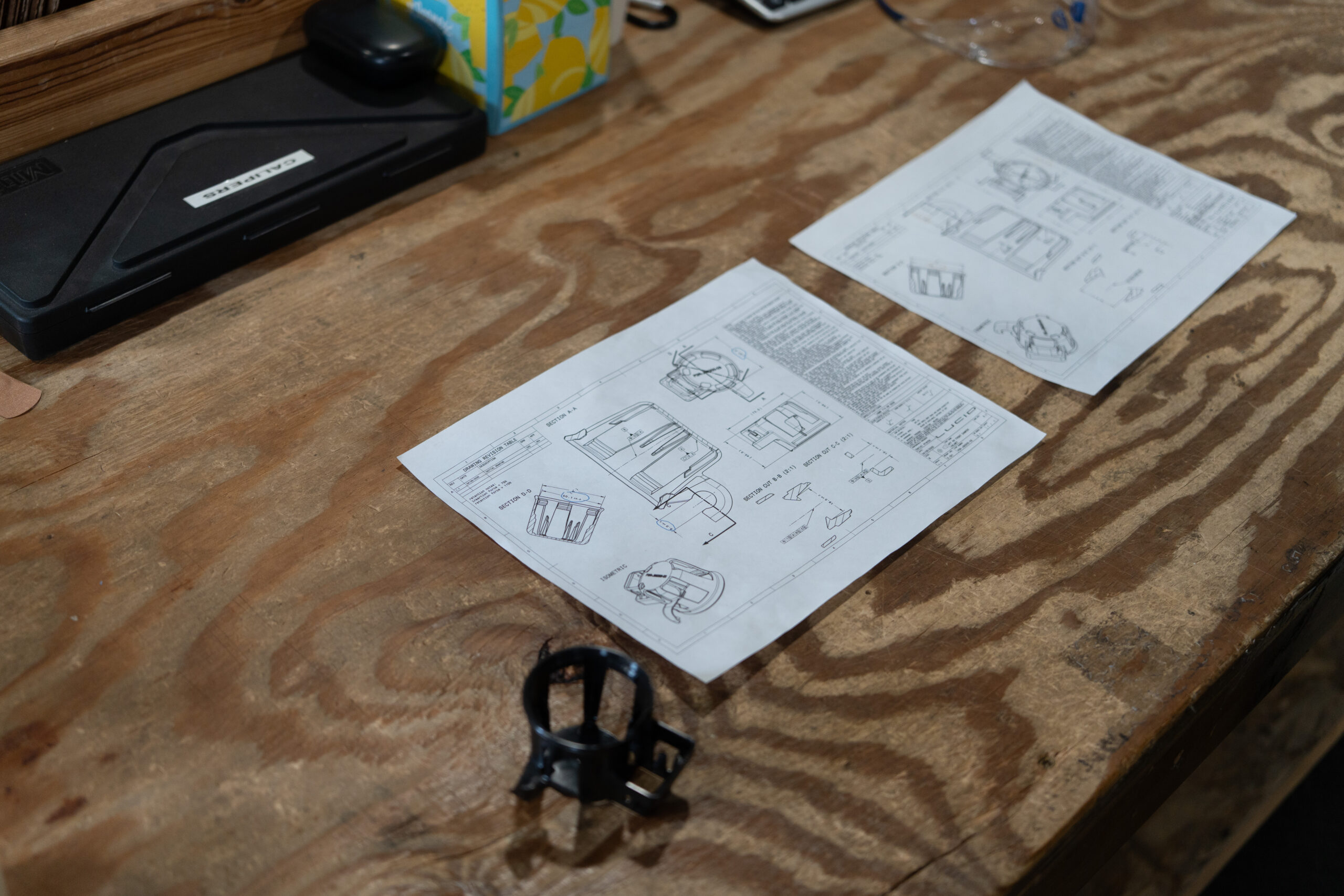
One of the most effective ways to reduce product development risk is also one of the simplest: create a detailed specification document before engineering progresses too far.
This document should clearly outline performance expectations, material requirements, tolerance ranges, and cosmetic priorities. It ensures that everyone involved in development is working toward the same outcome.
Without a shared specification, teams often make assumptions. Designers may prioritize appearance while engineers focus on structural performance, and manufacturers may interpret requirements differently altogether. Misalignment at this stage almost always leads to revisions later.
Clear specifications provide a single source of truth and make decision-making faster throughout development.
Consideration 7: Industrial Design Should Guide Engineering, Not Follow It
For many products, one of the most effective ways to streamline development is to involve industrial design before engineering begins in earnest.
Industrial design focuses on how the product will be used, how it feels, and how it communicates visually. These decisions shape the product’s identity and usability, which in turn influence engineering constraints.
When industrial design is completed first, engineering can focus on translating those decisions into manufacturable geometry. When engineering comes first, teams often find themselves revisiting major form or usability issues later, which leads to rework and delays.
Establishing the product’s form and user experience early creates a more efficient path to a production-ready design.
Designing for Manufacturability Is What Makes Products Scalable
Injection molding is one of the most powerful manufacturing methods available, but only when the design supports it.
The most successful products are not just functional or attractive. They are designed from the beginning with manufacturing realities in mind. Material choice, wall structure, rib design, undercuts, surface finish, and specifications all contribute to whether a product moves smoothly into production or struggles once tooling begins.
When these considerations are handled early, companies reduce risk, control costs, and improve long-term product consistency. When they are ignored, problems tend to surface later, when they are far more expensive to fix.
Need Help Designing a Product for Injection Molding?
At BeraTek Industries, we help companies move from concept to production with designs that are built for real-world manufacturing.
Our team supports industrial design, engineering, prototyping, tooling coordination, and product launch planning. If you are developing a molded product and want to avoid costly revisions or delays, we would be happy to help.
Let’s make sure your product is designed right before production begins.